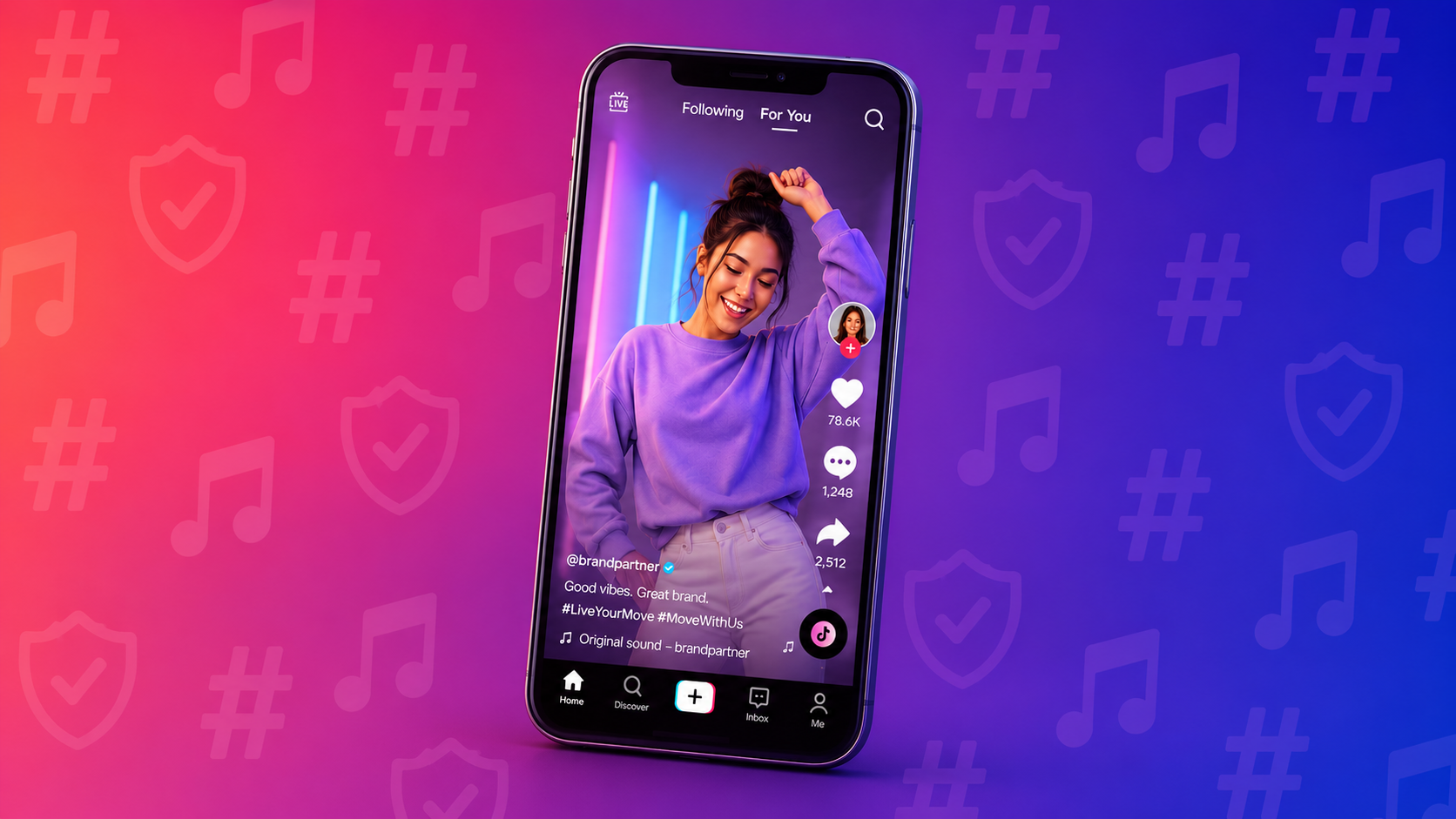
While individual users can freely use most music on social media platforms, businesses face stricter licensing requirements. Many brands unknowingly risk copyright infringement by treating commercial posts like personal content. The landscape of music rights on social media has become increasingly complex, with platform-provided licenses failing to cover all commercial activities. As brands seek to engage audiences through music-enhanced content, the risk of copyright infringement grows substantially.
Staying current with music copyright requirements has become increasingly complex for marketing teams, especially as social media continues to evolve. To help brand marketers focus on creating engaging content, we’ve put together a few tips so licensing errors don’t lead to costly copyright infringement lawsuits.
Key brand challenges in commercial music usage
- Brands require specific commercial licenses for music use
- Platform-provided licenses don’t cover all commercial activities
- Multiple social media accounts makes tracking difficult
Common misconceptions
Many brands assume that if music is available on a platform, it’s free to use for any purpose. However, commercial use requires specific licensing agreements beyond what platforms provide in their standard terms. This becomes particularly challenging when managing multiple social media accounts and coordinating across marketing teams who may prioritize engagement over licensing compliance.
Implementing effective music rights management
Audit all brand social media accounts
An audit of all currently published content is the first step in reducing social media music risk. The longer risky content stays published online, the more views and attention it can gain. When branded content becomes popular, it generally helps drive sales and revenue for the brand, which can make it more of a priority for music rightsholders to ensure the audio is licensed.
By auditing owned social media accounts you can establish:
- The prevalence of music in your posts and how critical music is to your strategy
- Which of your accounts and teams need the most help with music
- Which rightsholders own the music you use most often, to inform licensing needs and next steps
Verify content pre-publication
Successful risk management requires proactive content screening before publication. Organizations must implement comprehensive scanning of all incoming posts for music content, comparing any detected music against licensed music whitelists. When unlicensed tracks are identified, the system should provide rightsholder information to facilitate proper licensing. Regular audits of published content ensure ongoing compliance and help identify any posts requiring modification or removal.
Establish a robust pre-publication screening process by:
- Scanning for all social media content before posting
- Checking your organization’s licensed music whitelist
- Obtaining proper licensing or remove unauthorized tracks
Risk mitigation strategies
Organizations need to develop comprehensive music usage policies that encompass all aspects of their social media presence. This includes audits of marketing team posts, employee social media activity, and influencer partnerships. With multiple platform accounts becoming the norm, centralized monitoring and compliance systems are essential for maintaining proper music usage across all channels.
Best practices for brands
To maintain an engaging social media presence while respecting music rights:
- Develop clear music usage guidelines for all team members
- Maintain an updated database of licensed music
- Implement automated screening tools before content goes live
- Establish a clear process for obtaining necessary licenses
- Regularly audit existing content for compliance
How brands can reduce music risk on social media
For brands, reducing music risk comes down to one important thing: know what your team, employees, and influencers are posting before it’s posted. That’s a huge task considering how many posts are made every day to different platforms with different libraries and licenses.
Pex’s AI-powered technology makes it easy for brands to scan every incoming post for music and determine whether or not it should publish by comparing it against a whitelist of licensed music. If there is no license for the song, Pex provides information about the rightsholders so a license can be obtained. Brand accounts can also be audited to determine if published posts need to be removed or have the audio changed. Understanding what music is being used on social media and ensuring it’s licensed is the only way to reduce the risk of copyright infringement lawsuits.
Pex music recognition technology (MRT) offers several safeguards for brands including:
- Significantly higher detection rates compared to standard platform tools, including identification of modified content and cover versions
- Streamlined license management via rightsholder identification
- A robust music registry provided by rightsholders to power identification
- Data on music usage
The investment in proper music rights management is far less costly than dealing with copyright infringement lawsuits. By implementing the right tools and processes, brands can confidently use music in their social media strategy while maintaining legal compliance. Learn more about Pex music identification technology for brands.
Check your content with Pex
Interested in checking your content for copyright? Contact our team to audit your social channels.